

Plenty of tree companies start out on a general field service app like Jobber or Housecall Pro. It makes sense: they're popular, they're easy to set up, and they handle the basics of booking, quoting and invoicing for lots of trades. But tree work isn't lawn mowing or HVAC, and the longer you run a tree business on software built for everyone, the more you end up working around it.
Tree jobs aren't one-size-fits-all
A removal over a house, a crown reduction, stump grinding and a plant health care treatment are completely different jobs. They need different crews, different equipment and different pricing. General tools tend to treat every job as a line item with a time slot, so the details that actually matter, like access, drop zones, hazards and haul-away, end up in a notes field nobody reads.
Estimates need more than a price list
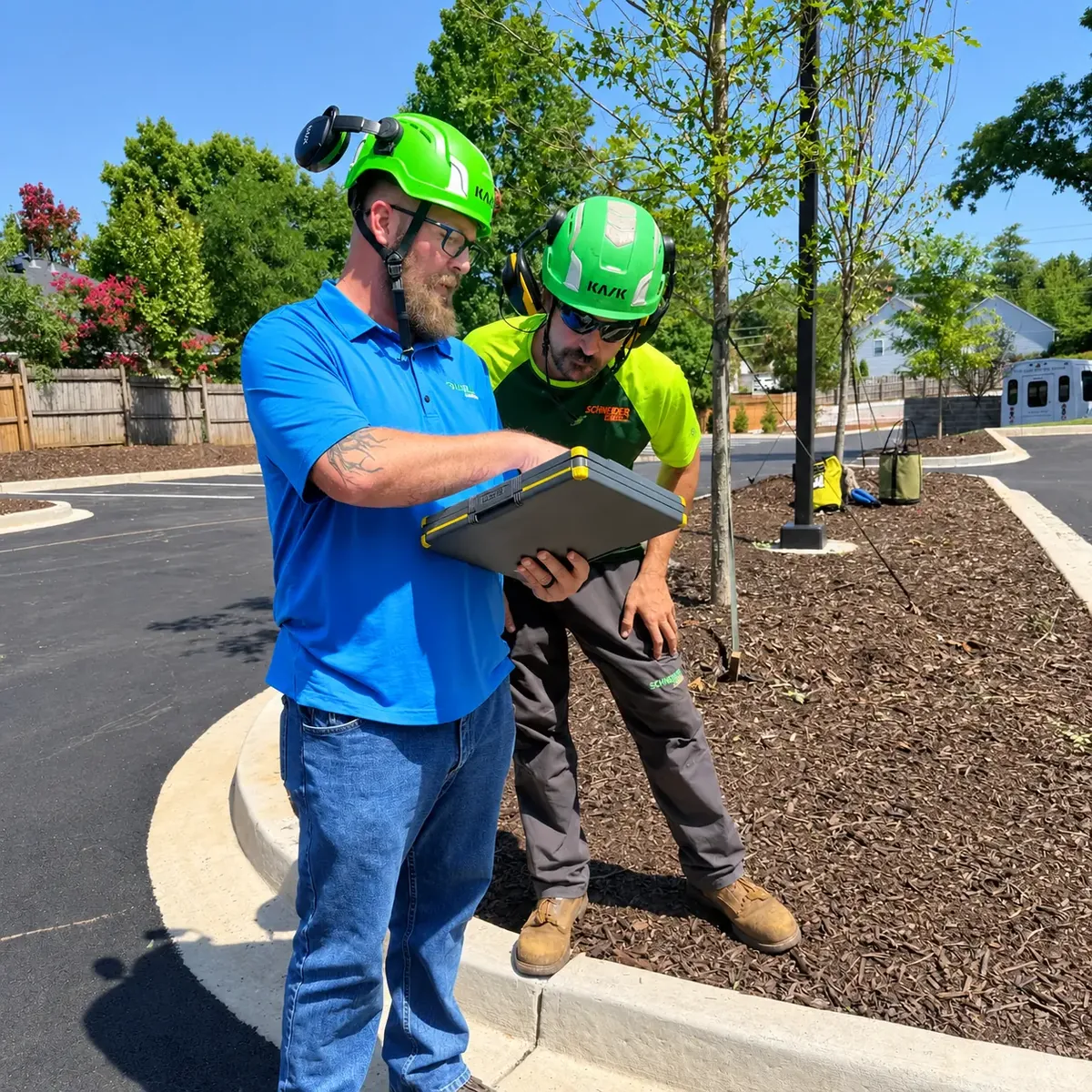
Quoting tree work means sizing up the tree, the risk and the site, then pricing labor, equipment and disposal. Good tree care software lets you build that estimate on site, add photos, and send a clean quote before you leave the driveway. A flat price book built for service calls usually can't capture what makes one removal twice the cost of another.
If your crew has to translate a tree job into a plumber's work order, the software is working against you.
Crews and equipment are the real schedule
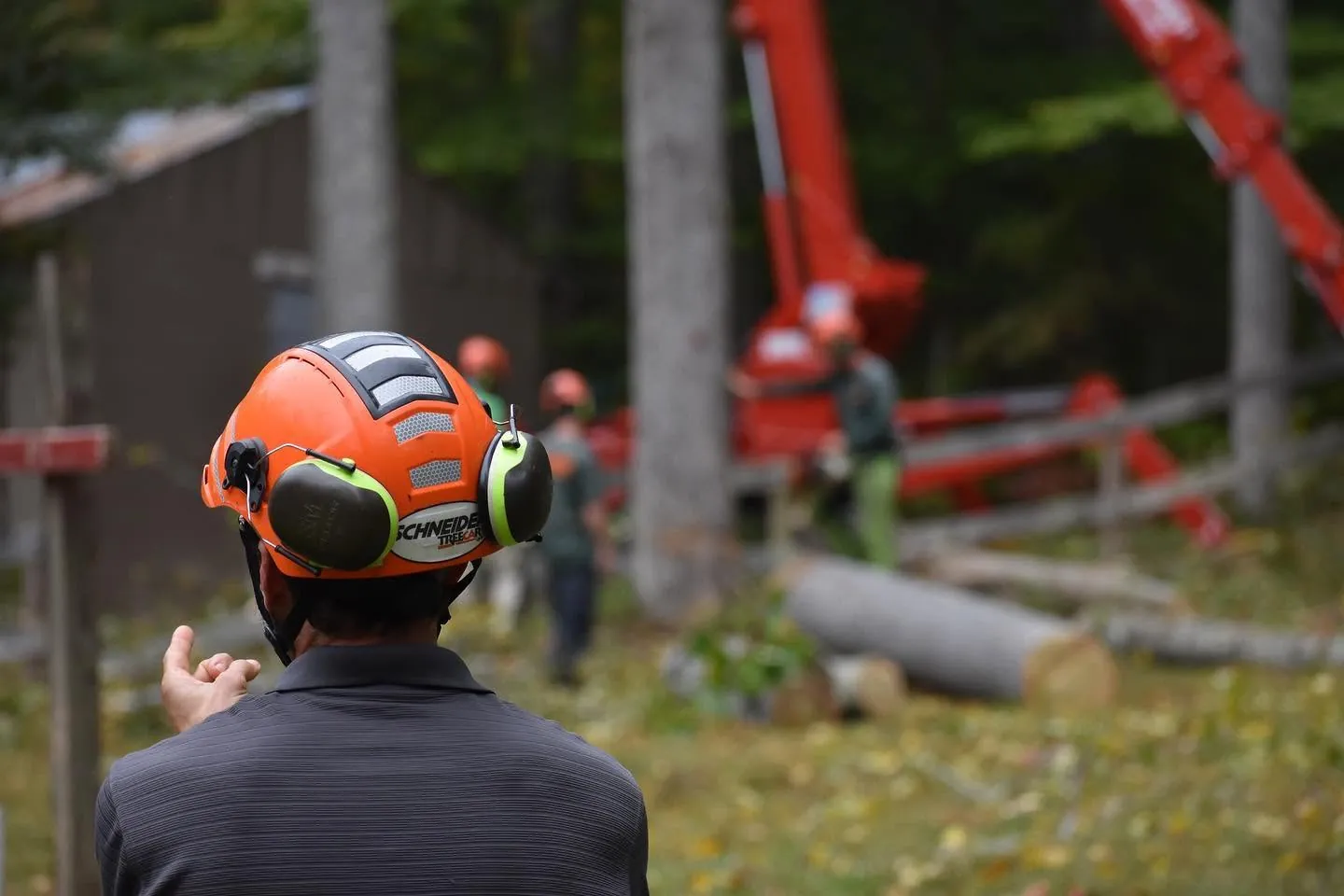
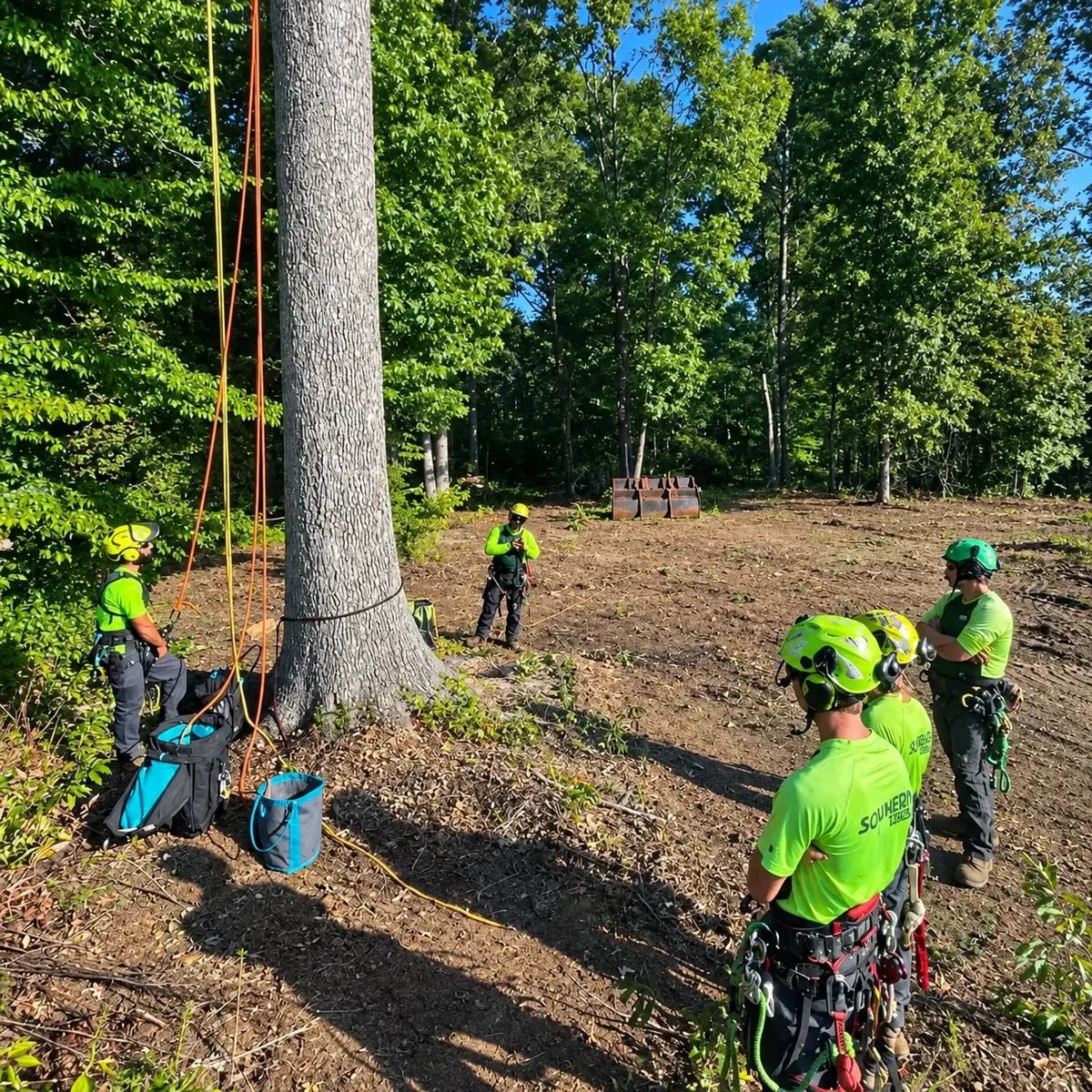
In tree care, the schedule isn't just who's free at 9 a.m. It's which crew has a climber, who's certified for the bucket truck, and whether the crane or chipper is already booked. Software that schedules people but ignores equipment leaves the office juggling a second system, or a whiteboard, to keep it all straight.
Recurring and seasonal work gets lost
Plant health care programs, seasonal pruning cycles and follow-up inspections are some of the most reliable revenue a tree company has. Generic recurring-job features are usually built around weekly or monthly visits, not treatment windows and multi-year tree plans, so renewals and follow-ups slip through the cracks.
Storm work breaks general workflows
After a storm, you need to log dozens of calls fast, sort them by urgency and pull crews off scheduled work. Tools designed for steady, booked-in service calls aren't built for that kind of surge, which is exactly when lost jobs and under-billing happen.
Signs you've outgrown your current tool
You keep job details in notes fields, spreadsheets or texts. Your estimates don't reflect the real work. Equipment lives on a separate calendar. Crews call the office for information that should be on their phones. If that sounds familiar, the software is costing you time every day.
Mantx vs. Jobber: built for one trade instead of many
Jobber is a solid general tool. It's designed to serve lots of home service trades at once, from cleaning to landscaping to HVAC. Mantx was built for one thing: running a tree care company. Here's what that means day to day.
- Estimates made for tree work. Walk the property, build itemized line items with photos and crew notes, and send the quote by text or email for a signature before you leave the driveway. An approved quote becomes a scheduled job in one click.
- Crews, not just calendars. Drag-and-drop scheduling across crews and days, routes put in order automatically to cut drive time, and changes that reach the crew's phone right away.
- A login for each crew. Every crew sees only their stops, notes and details for the day, so the crew leader in the bucket isn't calling the office.
- Plant health care and seasonal work built in. Recurring jobs rebuild the schedule for you, seasonal jobs land on a wait list ready to schedule, and recurring visits can invoice and charge automatically.
- Billing the day the job's done. Invoices are built from the job with no re-typing, card and ACH payments are built in, and customers, invoices and payments sync to QuickBooks Online.
- Made by tree people. Mantx was originally built inside a family-owned tree service in the Carolinas, shaped by removals, trims, storm work and steady maintenance rather than a generic service call.
The difference isn't a longer feature list. It's that every screen assumes you're running crews, equipment and tree jobs, so you're not bending the software to fit the work.
What tree care software should handle
Whether you're comparing Mantx or anything else, use this as a checklist. If a tool can't handle these without workarounds, it wasn't built for tree work.
On-site estimates that reflect the real job
You should be able to price a job while standing in front of the tree: labor, climbers or bucket work, equipment, stump grinding, haul-away and disposal as separate line items. Photos and notes about access, hazards and drop zones should stay with the quote, and the customer should be able to approve it from their phone.
One handoff from quote to job
Once a customer says yes, the approved estimate should become a scheduled job without anyone re-typing it. Every detail the estimator captured should follow the job to the crew.
Scheduling around crews and equipment
The board should show which crew is where, every day of the week, and make it easy to move work when weather or a breakdown changes the plan. Routes should be put in order so crews spend more time cutting and less time driving.
What the crew needs, on their phone
Crew leaders should see their stops, job notes, photos and customer details for the day without calling the office. When the schedule changes, they should see it right away.
Recurring, seasonal and plant health care work
Treatment programs, seasonal pruning and follow-up inspections should come back around on their own, with a wait list for seasonal work, so steady revenue never depends on someone remembering.
Storm surges
When calls spike, the office needs to log jobs fast, sort them by urgency and move crews off regular work, then keep track of every hour and cost so nothing goes unbilled.
Invoicing, payments and accounting
The invoice should be built from the finished job, payable online by card or ACH, and synced to your accounting software, like QuickBooks Online, so the books match without double entry.
One place for the office, the field and the customer
Estimates, schedules, crew notes, customer history and invoices should all live in one system with logins for the office and the crews, so everyone works from the same information.
Mantx is tree care software designed around how tree companies actually work: on-site estimates, crew and equipment scheduling, recurring and plant health care work, storm call-outs and invoicing in one place. Switching from Jobber or Housecall Pro? We'll help you bring your customers and jobs over.
Want to see the difference for yourself? Book a quick walkthrough.